You have accessed a restricted section of the website. Please enter your username and password to continue.

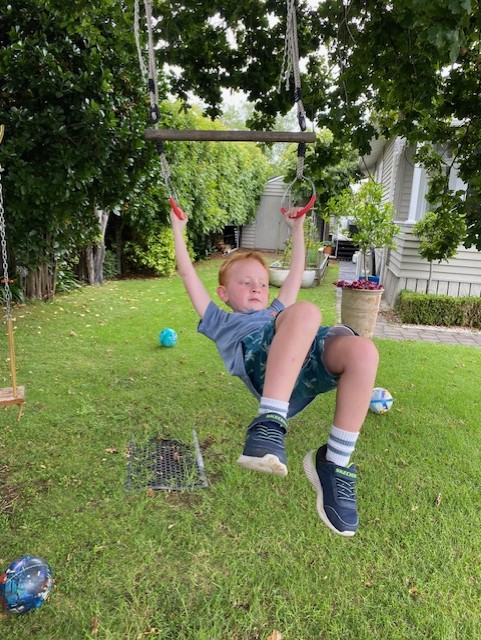
Physically active play is a vital part of early learning and development for tamariki. Through movement, exploration and play children build confidence, strengthen their bodies, support brain development and develop important social and emotional skills.
Here we explore why active play matters and how adults can intentionally support tamariki to move, grow and thrive every day. Starting with the top 5 benefits:
1. Fosters confidence and independence Trying new movements, taking safe risks, and mastering physical challenges allows tamariki to develop a sense of pride in themselves and their growing abilities.
2. Promotes physical development Running, climbing and balancing strengthen muscles, improve coordination and build motor skills. These foundations support healthy growth and prepare tamariki for more complex movements as they get older.
3. Supports brain development Active play stimulates neural connections in the brain, helping children develop focus, memory and problem-solving skills. Movement and exploration are closely linked to cognitive growth in the early years.
4. Encourages emotional wellbeing Through active play, tamariki release energy, manage stress and experience joy. Physical activity helps them recognise how movement affects their feelings, building their capacity to be resilient and to self-regulate.
5. Builds social skills Games that involve turn-taking or teamwork teach co-operation, empathy and negotiation. Shared physical experiences strengthen friendships and foster a sense of belonging within a group setting.
Physically active play is a natural and essential part of children's development and is a vital part of their everyday life and learning. When children have regular opportunities to use both their large and small muscles, they develop greater control and confidence in how their bodies move.
Children need room to move freely. To run, balance, roll, take risks and jump. These fundamental movement skills form the basis for participation in kapa haka, dance, outdoor pursuits and sports. They are key to building enjoyment of physical activity and fostering a lifelong commitment to a healthy, active lifestyle (Te Whāriki Wellbeing/Mana whenua).
Here are some simple ways that adults can support children to engage in physically active play. Join in with their play to offer encouragement, support, and to model new skills such as throwing and catching. Be intentional about the equipment provided, selecting resources that promote a range of physical skills. Provide safe and stimulating objects and furnishings for infants, enabling them to move, hold on, balance, or pull themselves up. Consider how the outdoor environment can challenge developing physical skills. For example, setting up obstacle courses, rotating climbing equipment, adding goals or hoops, and offering balls or bats of different sizes. Promote participation in games that involve learning and practicing rules alongside peers.
Have fun joining in. A bonus is that it keeps us active too!!
